
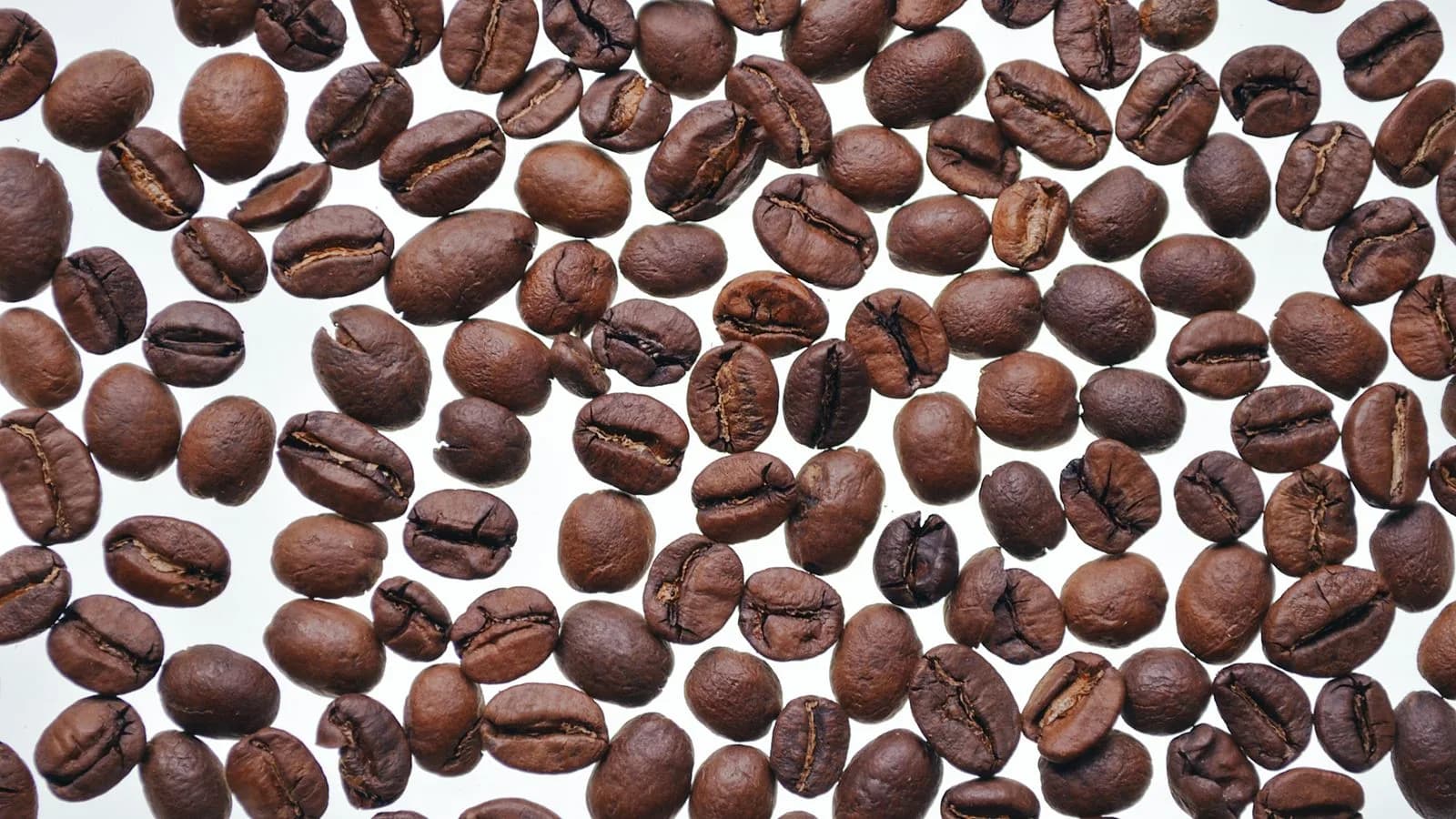
Protect coffee from air, moisture, heat, and light
For everyday coffee, keep air, steam, light, and heat away from the beans. A well-sealed coffee bag in a cupboard can do that as well as a separate container. Save the freezer for small sealed portions that stay closed until each one warms up.
Roasted coffee starts changing the moment it leaves the roaster. Aroma escapes, and oxygen makes the flavor fade. That loss of fresh flavor is called staling, and moisture, heat, and light can speed it up.
So open the container briefly, take what you need, push out extra air when the package allows, and reseal it. Keep coffee away from ovens, sunny windows, dishwashers, steam, and damp counters.
The National Coffee Association's storage guidance recommends airtight, cool, dark storage and buying in smaller batches. That's the everyday rule. Freezing is a separate long-term option, and it only works when the package and your handling keep moisture out and limit repeated opening.
Quick storage comparison
| Method | Best use | Main advantage | Main risk |
|---|---|---|---|
| Resealable valve bag that blocks light | Everyday coffee | Avoids transfer to another container and blocks light | Seal may be weak or left open |
| Small sealed container that blocks light | Everyday coffee | Reliable closure and tidy storage | Empty air space grows as beans are used |
| Grinder bean container (hopper) | Same-day working quantity | Convenience | Heat, light, and air exposure |
| Refrigerator | Usually avoid for routine use | Cool temperature | Water drops and food odors |
| Freezer in sealed portions | Longer storage | Slows aging | Moisture during thawing or repeated opening |
| Clear display jar | Short display only | Visibility | Light and often excess headspace |
No container brings old coffee back. Storage protects the quality you bought, and how long that lasts depends on the roast date, the package, how much coffee there is, and how often you open it.
The original bag may be enough
A good coffee bag often has an opaque barrier that blocks light, a resealable closure, and a one-way valve. The valve lets roasting gas escape while the bag stays closed. If the seal works, leaving the beans in the bag skips a transfer that exposes them to air and leaves residue in another container.
Roll or gently press out extra air before you reseal. Don't squeeze so hard that the closure fails or coffee oils smear onto it. Keep the bag in a cupboard, away from the espresso machine's heat vent or steam wand.
Move the coffee if the bag tears, has no reliable closure, or is a fight to seal every morning. Pick a container that is food-safe, airtight, opaque, dry, clean, and the right size. A loose lid protects the beans poorly, however nice the jar looks.
Use a canister only when its size and seal fit
An airtight canister can make daily use easier and rescue a bag with a poor closure. Opaque walls or a spot in the cupboard block light. A strong gasket and a clean sealing surface matter more than unsupported claims about vacuum technology.
Choose a container close to the amount of coffee you have. As you use the beans, a large container fills with more empty air space, called headspace, a bit like a half-empty cookie tin. Some canisters use an adjustable inner lid or displacement system to shrink that space, and others remove some air. Those features can help, but every opening still lets oxygen in.
Clean the canister between coffees the way its material instructions say, then dry it completely. Old coffee oils go stale and can add that old flavor to a new bag. Never pour fresh beans on top of old beans, or you'll lose track of age and roast.
Use the hopper for coffee you will use soon
Keep only coffee you'll grind soon in the hopper (the grinder's bean container), which is built for convenience and steady feeding. They're often clear, loosely sealed, warm from nearby equipment, and open to room air. Keep the full bag somewhere else.
Load about what you'll use today or in the next little while, and keep the rest sealed in the bag or canister. If your grinder needs a certain bean weight to feed correctly, follow the maker's minimum and hopper guidance. Don't force a single-dose routine (weighing beans for one shot at a time) that it wasn't made to support.
If hopper beans sat out for a long, unknown time or got mixed with another coffee, don't pour them back into a clean bag. Write the roast and open dates down to avoid mystery leftovers. Empty and clean the hopper safely, as the grinder manual says, before you switch coffees.
Refrigeration creates avoidable problems
Routine refrigeration is usually not the best choice for coffee, even though cold slows some changes. An everyday coffee package gets opened many times in a humid spot full of food odors. Cold beans and containers can collect water drops when they meet warmer air, and coffee can pick up food smells if the package isn't perfect.
A cool cupboard with a good seal avoids those repeated temperature swings. “Cool” here means away from heat sources and big temperature changes.
If a medical, climate, or supply limit makes refrigeration necessary, use truly airtight small portions and open them as little as you can. Treat that as the exception. Keeping moisture out is the priority.
Freezing can protect sealed portions longer
Freeze coffee in sealed portions when you need it to last longer. You divide the coffee into portions, seal them from air and moisture, and leave them alone, and the low temperature slows staling. That helps when you can't finish the coffee during its best fresh stretch. The Starbucks storage article also separates careful freezing from routine exposure.
Use freezer-safe airtight packaging with as little air as practical. Divide the coffee so each package comes out once, because opening one big bag again and again lets in humid air and frost. Label each one with the coffee, roast date, freeze date, and dose or quantity.
When you thaw a sealed portion, let it reach room temperature before you open it. That encourages water to form on the outside of the package. Don't refreeze a package that has warmed up more than once. Some experienced users grind frozen beans, but grinder safety and the effect on your recipe depend on the equipment, so follow the grinder maker's guidance.
Whole beans keep more options than ground coffee
Grinding greatly increases surface area, which speeds up aroma loss and exposure to oxygen. Under similar conditions, whole beans keep their freshness and brewing options longer than pre-ground coffee. When you can, grind only the dose you need shortly before brewing.
Pre-ground coffee is still a fair choice. It can work with pressurized baskets (baskets that build their own resistance), travel, accessibility needs, or a home without a suitable grinder. Keep it airtight, cool, dark, and dry, and buy smaller amounts because its good-tasting window is shorter.
Grinding a week's supply to save a few seconds each morning has a flavor cost, so only do it if that trade suits you. If time is the problem, portion whole-bean doses or streamline your grinder steps. If noise is the problem, grind at a quieter hour into carefully sealed daily portions. That may suit you better than giving up espresso.
Buy the amount you will use
Often the best storage move is buying less coffee. Estimate your home use from dose and drinks. One 18-gram double per day uses about 126 grams per week before adjustment waste, and two use about 252 grams. A 12-ounce or 340-gram bag lasts very different lengths in those two homes.
Count coffee you may run and discard to clear old grounds, plus adjustment loss, especially after switching coffees. A new espresso may take several shots to settle. Very small purchases can add shipping and packaging, while several kilograms can outlast your home's fresh window. The right amount depends on how you use it.
Write the roast date and opening date in a simple log. If the last third of the bag always tastes flat, buy less next time or freeze part of it at the start. Keep that amount once the last cups taste like the first. If the bag is gone in four days, a larger bag may cost less without hurting freshness.
Treat the roast date as information
Read the roast date as a guide: coffee needs time to release gas after roasting, and roast styles and brewing methods behave differently during that stretch. Espresso can be especially sensitive, because trapped gas affects the puck (the packed coffee in the basket) and the crema (the tan foam on a shot). No single day exists when every coffee becomes ideal or unusable.
Use the roaster's waiting recommendation when they give one. Track how the coffee flows and tastes over time, and expect small grind nudges as the beans age. A sealed bag can protect quality while the coffee keeps changing after roasting.
“Best by” and “use by” labels serve different commercial and legal purposes, and they may not show the roast date at all. The National Coffee Association's roast guide explains roast categories without using color as a freshness measure. Look for clear dates and storage instructions from the roaster.
Stale does not always mean unsafe
Properly stored old roasted coffee often turns dull, papery, flat, or rancid in aroma before it becomes a food-safety problem. Dry beans past their best-freshness window aren't automatically dangerous.
Moisture changes that. Throw away coffee with visible mold, unusual growth, wet clumps from water, pests, or a suspicious odor beyond normal staling. Do not taste it to check. Clean and fully dry the container before you use it again.
If the package is swollen, damaged, recalled, or contaminated, follow the seller's and public-health instructions. Espresso Receipt cannot inspect your beans or diagnose a food-safety problem from age alone. If contamination is possible, throwing the coffee out is safer than trying to roast, grind, or brew it away.
A simple daily storage routine
Keep the main supply sealed in an opaque bag or small canister inside a dry cupboard. Measure out only the beans you need for the session. Reseal the package before you grind so it isn't sitting open through warm-up and brewing, then put it back in the cupboard away from heat.
Keep only a short working supply in the hopper, and never use a wet scoop. Don't store beans above a machine that gives off heat or under a cabinet where steam collects. Clean coffee oils off tools and containers on a set schedule.
For longer storage, divide and freeze coffee early, before it tastes stale. Label each portion and open it once. After a few bags, look back at your log and adjust how much you buy before you reach for another gadget.
Pick the everyday option
For most homes, keep whole beans in their well-sealed opaque bag or a small airtight opaque canister, in a cool, dry cupboard. That's the best everyday option. The freezer is for sealed, one-use portions you want to keep longer. A refrigerator and a full clear hopper make weaker daily choices because they add moisture, odors, heat, light, or air.
Storage advice can't promise an exact fresh life, because coffee, roast, package, climate, handling, and taste all differ. When a container maker claims it preserves coffee, look for product-specific evidence before you treat that as measured.
Continue from storage method into measured dosing, freshness, and dial-in practice.
Put storage into the daily routine →Common questions
Should coffee beans stay in the original bag?
A quality resealable bag that blocks light and lets roasting gas out can work well. If it does not seal reliably, transfer the coffee to a small sealed container that blocks light.
Should I freeze coffee beans?
Freezing can suit longer storage if beans are divided and sealed. Let a sealed portion warm before opening so water drops form on the outside of the container instead of on the coffee.
Can coffee beans go in the refrigerator?
Routine refrigeration is usually less useful because coffee absorbs moisture and odors and repeated opening can make water drops form.
Do old coffee beans become unsafe?
Beans that have lost their fresh flavor usually lose quality rather than becoming dangerous, but discard coffee exposed to moisture or showing mold or an abnormal odor.

About Mara Ellis
Mara Ellis is Espresso Receipt’s fictional editorial voice. Warm, practical, and lightly witty, she turns coffee jargon into clear choices for your counter, budget, and next shot.
Read the profile and guides by Mara Ellis →Sources (3)
- Coffee storage and shelf lifeNational Coffee Association · Check date not recorded(opens in a new tab)
- How to store coffee beans for freshest flavor at homeStarbucks · Check date not recorded(opens in a new tab)
- Coffee roastsNational Coffee Association · Check date not recorded(opens in a new tab)
See an old price or conflicting detail? Send a correction.
How we researched this
We did not test, own, taste, or measure the containers or coffee described here, and we did not run controlled aging or food-safety tests. These recommendations combine guidance from coffee organizations and roasters, and they can't inspect or certify a particular batch. The facts here come from the sources below.
What the evidence labels mean
- Source checked
- A cited source stated this fact when Espresso Receipt checked it. This is not a physical product test.
- Estimated
- This is calculated from stated inputs and assumptions. It is not a measured result or a current quote.
- Observed physical test
- This is a hands-on result for the exact unit under a stated test method.
- We could not confirm this
- The available sources do not establish one reliable answer.