
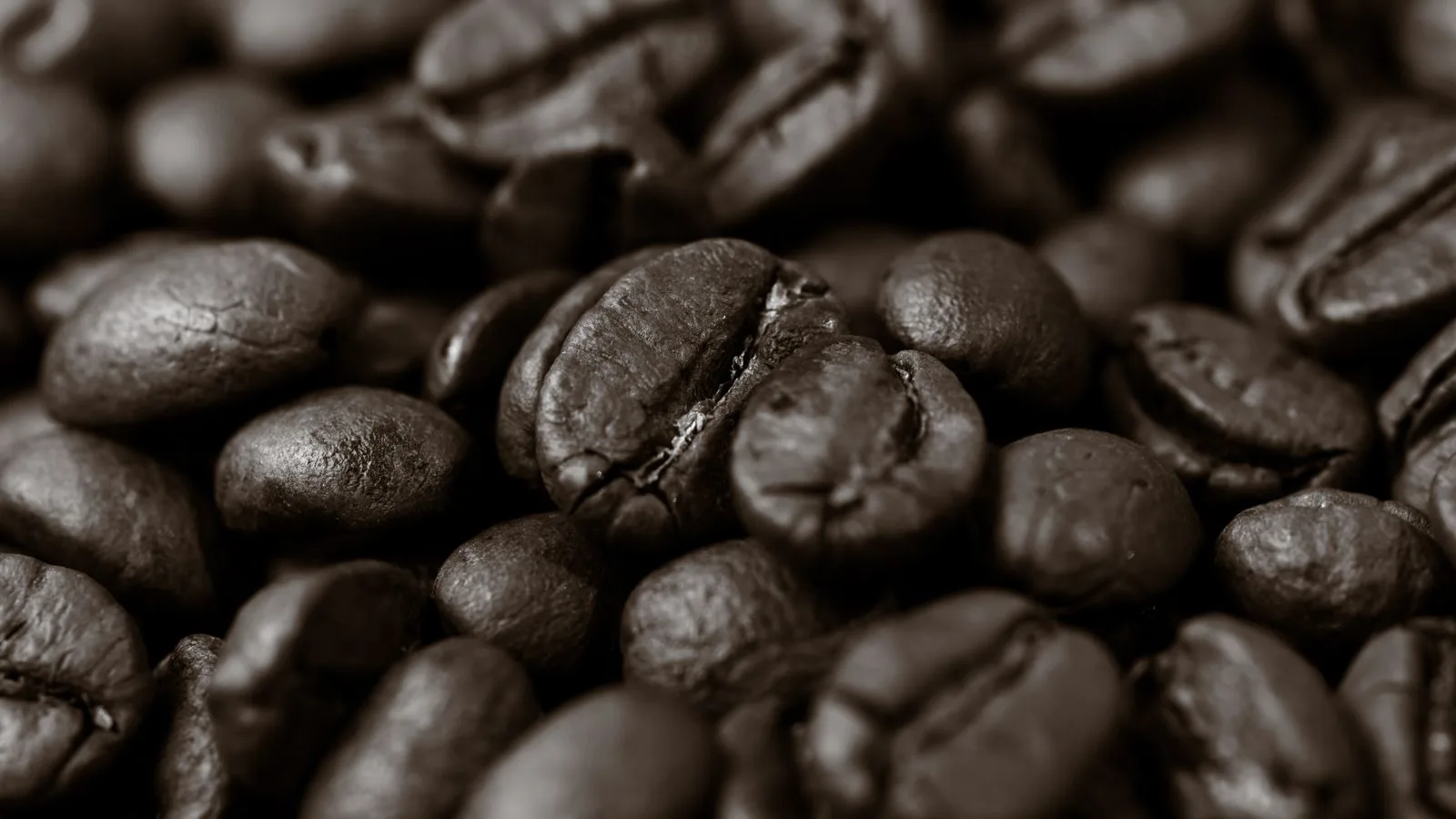
Choose coffee for the drink, not the espresso label
Choose fresh coffee with a roast and flavor that suit your drink. An espresso label can help, since a roaster may build that blend for sweetness and body, pick a roast that brews predictably, and publish a starting recipe. Coffee without the label can make good espresso too.
Coffee beans are the roasted seeds of coffee fruit, and the plant doesn't grow a separate espresso bean. Espresso describes how coffee is brewed. Grind the same coffee for the method, and it can go into an espresso machine, a drip brewer, or a French press. The bag label tells you how the roaster expects you to use it.
The National Coffee Association says espresso is a coffee drink named for its brewing method, so the word names no type of bean or roast.
A puck is the packed coffee in an espresso basket. A burr grinder uses two cutting parts, which can be flat or cone-shaped.
What the label tells you
| Label field | What it can tell you | What it cannot prove |
|---|---|---|
| “Espresso roast” | Roaster recommends the coffee for espresso | A fixed dark roast level |
| “Espresso blend” | Coffees were selected to work together in espresso | That it contains robusta or any exact mix of coffee types |
| Single origin | Coffee is presented from one defined origin | That it is unsuitable for espresso |
| 100% arabica | Coffee type | Freshness, roast quality, or cup superiority |
| Dark roast | Broad roast direction | More caffeine or better tan surface foam |
| Roast date | When the batch was roasted | The exact day it will taste best on your setup |
| Best-by date | Commercial shelf-life guidance | How recently the coffee was roasted |
Good labels cut down the guessing. You still grind, adjust the grinder and recipe, and taste. A clearly labeled bag without the word espresso can be a better start than a vague espresso bag with no roast date.
“Espresso roast” is not one color
The NCA’s coffee roast guide says espresso roast means the roaster thinks the coffee will suit espresso, whatever its roast level. It's often medium to dark, though not always. One company's espresso may be glossy and dark, and another's may be light and keep its floral acidity.
The range exists because espresso is concentrated. Roasters weigh ease of brewing, acidity, sweetness, bitterness, body, and whether they expect milk drinks or straight shots. A darker roast can be easier on basic equipment and can stand up to milk. A lighter roast can show origin flavors but may need a better grinder, hotter water, more drink in the cup, or a different basket.
Do not treat darker as better. Take a darker roast as a hint about brewing and flavor, then decide whether it suits your machine, grinder, and drink.
Any coffee can become espresso, but some setups make it harder
Counter Culture Coffee’s espresso guide describes an “any coffee, any brew” approach, with no single permanent espresso roast. The method can brew any roasted coffee. How much work it takes still varies.
A light, dense coffee may need fine, repeatable grinding and enough heat and water contact to brew well. A grinder with large steps may bounce between a fast, sour shot and a stalled, harsh one. A dark, porous coffee may find balance more easily on the same setup, but it can turn bitter if you treat it like a light roast.
A hard-to-dial coffee can still work as espresso. Your setup may lack the adjustment range, temperature control, basket, or recipe flexibility that would make it easier. Choose the coffee and the equipment together, like a recipe and the pan it bakes in.
Grind changes the brewing method
The same beans become espresso-ready when you grind them for the espresso basket and recipe. Espresso usually needs a fine grind because pressurized water passes through the puck quickly. Drip uses a coarser grind and longer contact. The bean stays the same while the grind and preparation change.
Pre-ground coffee labeled espresso is finely ground, but it can't know your basket, coffee age, humidity, or flow target. It may work in a pressurized basket, which adds its own resistance and needs less precise grinding. In a basket without added pressure, that fixed grind might run too fast today or too slow on another machine, and you can't adjust it.
A burr grinder that makes small changes matters more than the word espresso on the bag. Grind just before brewing and make small adjustments. Write down the dry coffee amount (dose) and the drink amount (yield). You control the method at the grinder and the packed coffee bed.
The grinder responds to bean density, brittleness, roast, age, and target flow, whatever the bag says. Switching coffees usually calls for a new setting, even when both bags say espresso. Old grounds can mix with the new coffee for a while, so if the manual calls for a purge, clear and discard a little old coffee before you judge the first dose.
Flavored or oil-coated beans raise a separate equipment question. Some makers of grinders and superautomatic machines (which grind, dose, and brew at the push of a button) restrict them because oils or flavoring can build up inside the machine. The exact appliance manual wins over any general bean guide. “Coffee bean” does not mean it works in every hopper.
Blend and single origin answer different questions
An espresso blend combines coffees to hit a target across seasons and lots. One part may bring body, another sweetness, another aroma. The roaster can swap parts so the product stays familiar as the crop changes. Blends aren't automatically cheap, dark, or low quality.
A single-origin coffee highlights one place, producer, lot, or region. In concentrated espresso, its acidity or processing character may jump out. That can be exciting straight and divisive in milk, and its narrower mix can show seasonal change more clearly.
Choose a blend when you want repeatable results, good milk drinks, and broad sweetness. Choose a single origin when you want to explore one coffee and don't mind more recipe changes. Neither label guarantees freshness or good roasting, and neither decides whether the shot will have channeling (uneven flow).
Arabica and robusta are coffee types
Arabica and robusta are the two main commercial coffee species, and a species is a type of plant. Arabica usually has less caffeine and a wide range of aromas. Robusta usually has more caffeine, stronger bitterness, and more body. Traditional Italian-style espresso blends may use robusta on purpose for structure and crema.
“100% arabica” proves the species and nothing about whether the coffee is fresh, suitable, or well roasted. High-quality robusta exists, and stale arabica is still stale. A blend can use species and origins well without hiding a defect.
If caffeine matters, the species mix tells you more than the espresso label. If flavor matters, look at origin, processing, roast, freshness, and recipe too. A farm product has more to it than one badge on the bag.
Crema does not identify an espresso bean
Freshness, trapped gas, pressure, roast, and species all affect crema. Blends with robusta often make longer-lasting crema, and darker coffee can make different foam from a light roast. None of that creates a special espresso bean.
Lots of crema looks impressive, and it still can't promise a good cup. It can show up alongside bitterness or uneven extraction (water pulling flavor from the coffee unevenly). A light arabica can make less foam and still pour a sweet, aromatic shot. Stirring crema into the drink also changes the first sip, so judging the untouched surface can mislead you.
Treat crema as one hint. Note whether the coffee is very fresh, whether pressure created a foam, and whether the foam collapses unusually fast.
Then taste the whole drink. Do not buy a bag only because an ad promises crema.
Freshness usually matters more than the label
As coffee loses gas and ages, espresso makes stale aromas and flow changes easier to notice. A good bag prints a roast date, seals well, and is the right size for how much you drink. Fresh coffee without an espresso label can beat an old espresso blend that only shows a best-by date.
Coffee can also be too fresh for steady espresso. Recently roasted beans release a lot of carbon dioxide, which can disrupt water contact and make flow jumpy. Rest advice varies with roast and packaging, so use the roaster's guidance as a starting range and watch how the coffee behaves over several days.
Store beans airtight, opaque, cool, and dry. Grind each dose when you can. The storage guide covers daily room-temperature storage and properly portioned freezing.
Choose a bag by the drink you want
For milk drinks, look for chocolate, nut, caramel, or developed-fruit notes if you enjoy them, and lean toward coffee the roaster says works in milk. For straight espresso, you may want a balanced blend, a modern light roast, or something between. Flavor notes are the roaster's hint, and your water and equipment still get a vote.
For a first setup, a fresh medium or medium-dark blend with a published recipe is the steadier pick. It's often easier to brew, gives you a clear starting dose and yield, and lets you learn the grinder before you take on a trickier coffee. That advice is about learning the process. Your taste may lead somewhere else later.
Once your setup is repeatable, change one thing at a time. Compare roast level, blend, origin, or process while you keep the dose and starting ratio in view.
A simple buying checklist
Look for:
- A printed roast date, not just a distant best-by date.
- Whole beans unless your routine deliberately needs pre-ground coffee.
- A bag size you can use while fresh.
- Clear roast and flavor direction.
- Blend components or origin information when available.
- A starting espresso dose and yield from the roaster.
- Resealable, opaque packaging or a plan to transfer it.
- A price per pound and per dose you are willing to repeat.
The word “espresso” can help once those boxes are ticked, but it shouldn't outrank them. Naming the brew method doesn't make a label more trustworthy.
How to brew an unlabeled coffee as espresso
Start with the basket maker's supported dose and a 1:2 beverage ratio. Grind fine enough to reach that yield, then taste. Note the shot time, but don't treat one time as a rule.
If a light coffee tastes sharp and underdeveloped, try a finer grind, more yield, or a higher temperature if your machine allows it, one change per shot. If a dark coffee tastes harsh and dry, try a coarser grind, a shorter yield, or a lower temperature where supported.
Flow and taste can disagree when the puck is uneven, so don't force every coffee to hit one time. Write down dose, yield, time, grinder setting, temperature setting, and taste. The espresso recipe guide turns those notes into a planned next shot. Stop when the shot tastes balanced and you'd make it again.
An ordinary coffee can become espresso. It needs a recipe that fits the coffee and the equipment.
Treat the espresso label as a recommendation
Blue Bottle’s espresso explanation gives the retail label a sensible meaning: the roaster recommends that coffee for espresso. Use that recommendation alongside the roast date, flavor direction, and starting recipe. The label doesn't identify a different species, certification, caffeine level, or universal roast.
Read the date, pick the flavor, and check that your grinder can reach the setting you'll need. Then pull a shot and taste it.
Continue from the label distinction into a freshness-aware bean routine.
Choose and store my first coffee →Common questions
Can I use regular coffee beans for espresso?
Yes. Use whole beans, grind them for espresso, and adjust the grinder and recipe until the shot flows and tastes balanced. The bag does not need to say espresso.
Are espresso beans always dark roast?
No. Espresso offerings can be light, medium, or dark. The National Coffee Association notes that espresso roast is not a fixed roast level.
Do espresso beans have more caffeine?
The label alone does not determine caffeine. Coffee type, dry coffee amount, roast, and brewing recipe all matter.
Why do roasters label a bag espresso?
It signals that the roaster designed or recommends that coffee for espresso's concentrated brewing method and expected flavor balance.

About Mara Ellis
Mara Ellis is Espresso Receipt’s fictional editorial voice. Warm, practical, and lightly witty, she turns coffee jargon into clear choices for your counter, budget, and next shot.
Read the profile and guides by Mara Ellis →Sources (4)
- Espresso brewing guideNational Coffee Association · Check date not recorded(opens in a new tab)
- Coffee roastsNational Coffee Association · Check date not recorded(opens in a new tab)
- Guide to espressoCounter Culture Coffee · Check date not recorded(opens in a new tab)
- Blue Bottle Explains: EspressoBlue Bottle Coffee · Check date not recorded(opens in a new tab)
See an old price or conflicting detail? Send a correction.
How we researched this
We use manufacturer, standards group, government, and authorized-retailer records when available. We label a hands-on result as an observed test only when we name the exact product and test it. A checked price shows what the seller listed on the check date. It can change after that date, and your delivered total may differ.
What the evidence labels mean
- Source checked
- A cited source stated this fact when Espresso Receipt checked it. This is not a physical product test.
- Estimated
- This is calculated from stated inputs and assumptions. It is not a measured result or a current quote.
- Observed physical test
- This is a hands-on result for the exact unit under a stated test method.
- We could not confirm this
- The available sources do not establish one reliable answer.