
You do not need a special espresso species
Pick a decaf you'd enjoy in the cup, then grind it for espresso. Espresso is a brewing method, and no separate coffee species goes with it. Counter Culture explains that it doesn't limit espresso to designated espresso roasts. So the question is which decaffeinated coffee suits the drink you want and the equipment on your counter.
Start with a small bag and a roast style you already like. A darker-looking bean, a longer list of tasting notes, or an espresso label can't promise you'll prefer it.
| Your situation | Check before buying | What the label cannot prove |
|---|---|---|
| You own an espresso-capable grinder | Whole-bean format, roast information, and bag weight | A universal grind setting |
| You use pre-ground coffee | The exact machine manual and basket's ground-coffee requirements | That every espresso grind suits your basket |
| You drink decaf occasionally | Bag size and expected doses before the next purchase | How long it will taste good in your storage conditions |
| You prefer a specific process | The roaster's named process and supporting information | The caffeine content of the finished drink |
| You need a precise caffeine amount | Evidence for the exact prepared drink | A number inferred from “decaf” alone |
For the broader buying checklist, use the bean-selection guide. Here we stick to the extra decaf decisions, and we don't rank untested bean brands.
Read the process label correctly
Check which process the bag names. Swiss Water describes its process as treating green (unroasted) coffee with green coffee extract and using carbon filtration to pull caffeine out of that circulating extract. Swiss Water's description covers that one process.
If the bag says only “decaf,” ask the roaster which process they used. If it names a process, check that the claim applies to that coffee. Do not treat a process preference as a safety or flavor ranking. We don't compare residual solvents or test coffee chemistry.
Calculate how much coffee you will actually use
Count your planned doses before you compare sticker prices. A bigger bag can cost less per gram and still be a poor fit if you only drink decaf now and then.
The example below assumes a 250-gram bag, an 18-gram dose, and two full doses used while you adjust the grinder. Those are planning numbers. We didn't measure a waste rate, and we aren't recommending a decaf recipe.
| Calculation | Result |
|---|---|
| 250 g divided by 18 g | 13 complete doses, with 16 g left |
| 13 complete doses minus 2 adjustment doses | 11 planned drinks |
| Hypothetical $15 bag divided by 11 drinks | About $1.36 per drink for beans |
Swap in your own bag price, dose, and likely adjustment use. Milk, water, equipment, and energy aren't included. The espresso cost-per-cup calculator can include more of those costs.
Keep the caffeine limit clear
Decaf still has caffeine. The FDA says decaffeinated coffee still contains caffeine, and its example range of 2 to 15 milligrams is for an 8-fluid-ounce cup of decaf coffee. That range isn't a universal value for an espresso shot. Do not divide that range by cup volume to invent a decaf espresso number.
For a medically necessary restriction, ask your health professional and get information for the actual drink. A buying guide can't certify a shot as caffeine-free. The espresso caffeine guide handles the wider serving-size uncertainty separately.
Change coffee without guessing a universal setting
Write your first decaf shot down like a recipe card. Note the coffee name, basket, dry dose (the ground coffee in the basket), drink yield (the espresso weight in the cup), grinder setting, and what happened. Your regular coffee's setting may not transfer unchanged, so start from the roaster's advice and your exact equipment instructions.
Then try one small experiment. Keep the dose and drink yield the same, change only the grind, pull the shot, and taste it. Stop when you like the cup, or when your equipment instructions tell you to.
If it still needs work, the espresso dial-in guide ties your next change to the actual shot. None of the sources here set a decaf-wide dose, temperature, or grind number.
Match the bag to your actual routine
Choose between whole bean and pre-ground coffee by checking the equipment you will use. Whole beans give an espresso-capable grinder room to adjust. Pre-ground coffee removes that adjustment, so the machine's basket and its ground-coffee instructions matter more. A bag labeled “espresso grind” does not establish that it suits every basket. If your machine uses a pressurized basket, pod, or another fixed format, check its exact manual before buying a large bag.
The 250 g example above gives 13 complete 18 g doses. Now put your weekly routine next to that count. At two decaf drinks per week, 11 planned drinks after the two adjustment doses would cover about five and a half weeks. At one drink a day, the same plan covers 11 days. These are division examples, not a claim that either bag stays fresh for that long. The storage method and your taste still matter. A smaller bag can be the easier choice for an occasional decaf drink even when its price per gram is higher.
If a seller offers two bag sizes, write each bag's weight, price, and number of doses at your own recipe. Do the math with the full dose you actually grind, including any coffee you expect to use while adjusting a new bag. A cheaper cost per drink on paper is only useful when you expect to drink the coffee. Do not add a guessed waste rate to make one bag look better.
Separate a process claim from a caffeine claim
Swiss Water describes how it removes caffeine from green coffee in its process. A process name on a bag tells you about the maker's stated method. It does not provide a measured caffeine value for your espresso after roasting, grinding, and brewing. The FDA's 8-ounce decaf-coffee range describes another serving and cannot supply that missing value for an espresso shot.
For a process preference, ask the roaster which method the specific coffee used and whether it has documentation for that lot. For a strict caffeine requirement, ask for evidence about the prepared drink or discuss your limit with a health professional. “Decaf,” “Swiss Water,” and “naturally processed” are not interchangeable measures of caffeine in the cup. You can prefer a process without turning it into an unsupported safety claim.
The same split helps with flavor descriptions. A roaster's tasting notes can help you choose a bag, but they do not tell you what your machine will produce. Counter Culture's espresso guide treats espresso as a preparation method, not a separate type of coffee. Start with a coffee whose roast and stated flavors interest you, then use your shot log to judge the result.
Diagnose the first two shots without changing everything
When the first shot from a new bag runs differently from your usual coffee, record the difference before you adjust. Keep the basket, dose, and target yield the same if those values fit your equipment. If the shot reaches the target unusually fast and tastes sharp, use the dial-in method to try a small finer-grind change. If it is slow and harsh, try a small coarser change. Taste the next shot before making another move. These are conditional adjustments, not a promise that all decaf grinds one way.
If the first shot already tastes good, stop adjusting it. A decaf label does not require a different target ratio or temperature. Save the coffee name, roast information, dose, yield, and grind setting for the next day. If a later shot changes, the record helps you check whether the coffee, settings, or preparation changed. It is a better starting point than a universal “decaf setting” that none of the cited sources gives.
Pull the first decaf shot with your usual dose and yield, taste it, and move only the grind if it needs a change.
Adjust one espresso variable at a timeCommon questions
Does decaf espresso contain caffeine?
Yes. Decaf still contains some caffeine, and the amount in your shot needs evidence for the actual drink.
Do I need beans labeled decaf espresso?
No. You don't need a special species, so choose a decaffeinated coffee that suits your equipment and preferences. An espresso label can't promise you'll like the taste.
Is there one grinder setting for decaf?
No. Use the actual coffee and equipment, record dose and yield, and adjust one variable at a time.

About Mara Ellis
Warm, practical, and lightly witty, Mara turns coffee jargon into clear choices for your counter, budget, and next shot.
Read the profile and guides by Mara Ellis →Sources (3)
- Guide to espressoCounter Culture Coffee · Checked September 12, 2026(opens in a new tab)
- Decaffeination processSwiss Water · Checked September 12, 2026(opens in a new tab)
- Caffeine and decaf limitsFDA · Checked September 12, 2026(opens in a new tab)
See an old price or conflicting detail? Send a correction.
How we researched this
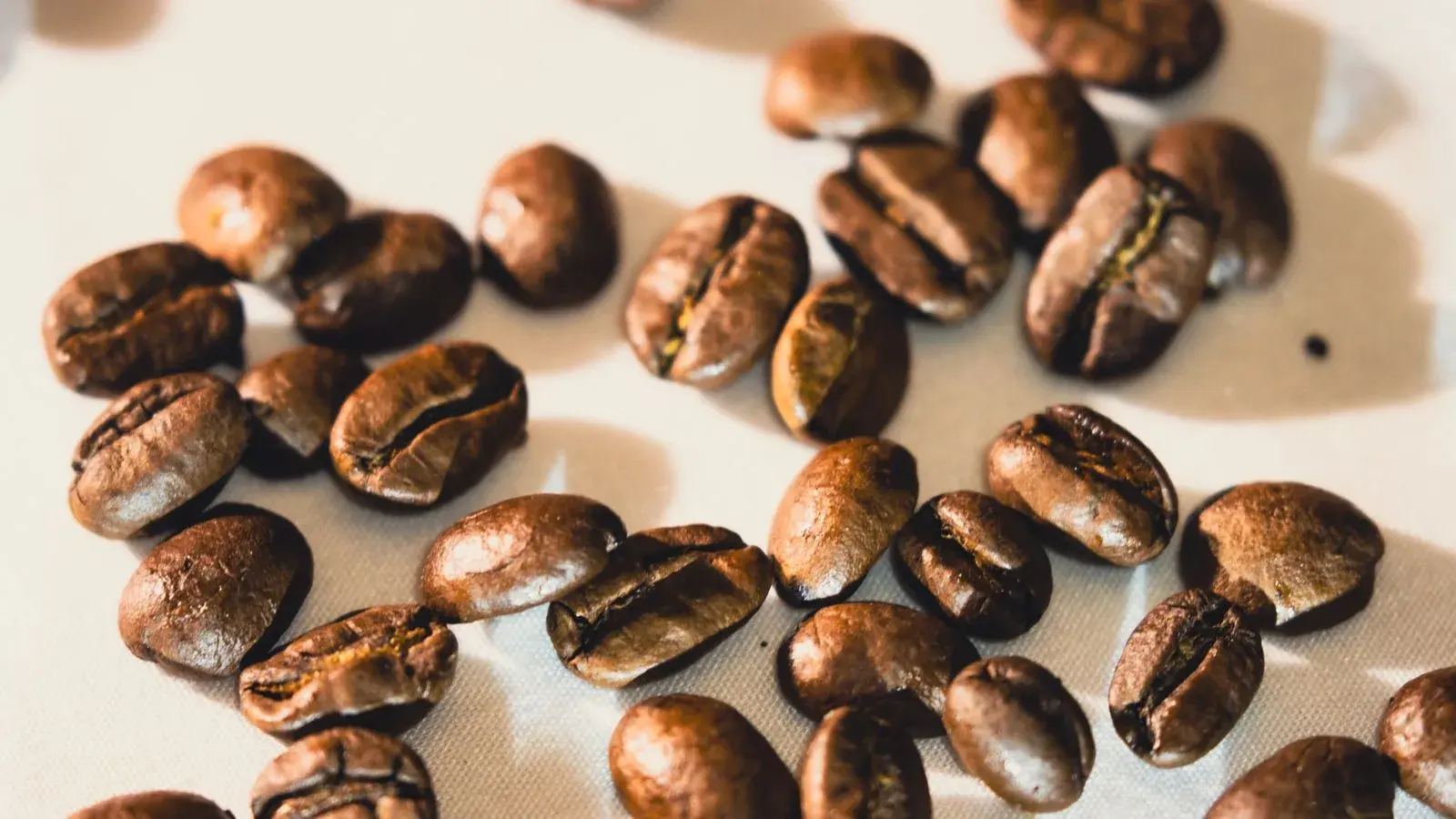
We checked the roaster's espresso guidance, Swiss Water's process description, and FDA caffeine guidance on September 12, 2026. The portion table is our own math from the stated assumptions. The photo shows roasted beans and doesn't identify their decaffeination process.
We did not test, own, taste, or measure these coffees, and we have no measured decaf caffeine values. The facts here come from the sources below and our stated math.
What the evidence labels mean
- Source checked
- A cited source stated this fact when Espresso Receipt checked it. This is not a physical product test.
- Estimated
- This is calculated from stated inputs and assumptions. It is not a measured result or a current quote.
- Observed physical test
- This is a hands-on result for the exact unit under a stated test method.
- We could not confirm this
- The available sources do not establish one reliable answer.