
Choose a dual boiler if you want to adjust brew temperature separately from steam. Choose a heat exchanger if its exact controls and flushing routine suit you. Both designs can support milk-drink preparation without switching one boiler between brewing and steaming; check the actual model before you decide.
Follow the water through each design
A dual boiler gives coffee and steam separate heated water supplies. Breville's BES920 Dual Boiler page describes a dedicated espresso boiler, a separate steam boiler and simultaneous extraction and steaming. That separates the two temperature jobs. It still leaves you grinding, preparing the basket and handling milk.
A heat exchanger heats brew water as it passes through a separate passage inside the steam boiler. Profitec explains this arrangement in its PRO 400/JUMP manual, section 6.3. The boiler stays hot enough for steam while the brew-water path takes heat from it. You'll often see the design shortened to HX.
Think of the water paths this way: dual boiler means a coffee boiler leading to the coffee outlet, plus a steam boiler leading to the wand. HX means brew water passes through the hot steam boiler on its way to the coffee outlet, while steam leaves through the wand. These simplified paths omit installation details.
Neither name tells you how long your whole drink will take. Grinding, warming the machine, preparing coffee, steaming and cleaning all belong in that comparison. The kettle count alone won't make breakfast.
Compare controls on the actual machine
Check what a temperature control changes before comparing the numbers on its display. PID means an electronic controller regulates temperature. A PID on a steam boiler and a separate brew-temperature setting give you different things to adjust.
The PRO 400 product page lists three selectable PID-controlled boiler temperatures. Its current manual covers both PRO 400 and JUMP, with separate control details. The examples below apply only to the PRO 400.
| Question | Profitec PRO 400 heat exchanger | Breville BES920 dual boiler |
|---|---|---|
| What do you adjust? | A switch selects a boiler-temperature preset. Brew temperature also depends on the flushing routine and operating conditions. | The SHOT TEMP menu sets the espresso temperature. The steam boiler is separate. |
| What happens before a shot? | Follow the model's warm-up and short-flush guidance. An idle interval can change what you need to do. | Follow the model's warm-up, preparation and instructions for running water through the coffee outlet. |
| Can the heating design handle coffee and steam? | Brew water passes through a heat exchanger in the steam boiler. Check the complete drink sequence in a demonstration. | Breville expressly documents simultaneous espresso extraction and milk steaming. |
| What remains unknown here? | Your actual waiting time, drink consistency and preferred settings. | Your actual waiting time, drink consistency and preferred settings. |
Breville's currently linked BES920 USCM manual, page 14 explains the SHOT TEMP menu. Profitec's manual explains why its boiler preset is different from brew-water temperature. A matching number on two screens would not establish a matching temperature at the coffee.
Keep flushing tied to the manual
Use the exact manufacturer's flushing instructions. A flush runs water through the coffee outlet without brewing a shot. It can serve different purposes, including clearing coffee residue, warming parts or removing water that has become too hot.
Profitec's PRO 400/JUMP manual says its reported brew temperatures followed a short flush. The manufacturer used two seconds for those measurements and says duration should respond to signs such as bubbling or hissing. That measurement method does not give every HX owner a two-second recipe. The manual also says operating time, room temperature and other factors can change the result.
Breville's BES920 manual also directs you to run water through the coffee outlet, called purging the group head. Buying a dual boiler therefore doesn't remove every water-running step. Ask which steps the model requires after warming up, after sitting idle and between drinks.
Keep hands clear of hot water, the coffee outlet and the steam wand. Do not copy another machine's pressure adjustments, draining or descaling steps. If the supplied manual doesn't match the controls on the unit, stop and ask the manufacturer or authorized dealer.
Ask for your morning in miniature
Compare a complete drink sequence that resembles yours. If you usually make two milk drinks, ask an experienced demonstrator to make those drinks on each exact model. Use the same drink sizes and ask them to follow each manual, including any required warm-up, flush and steam-wand care.
Write down the sequence:
- Record the cold start and when the machine is ready under its manual. Keep that separate from the time taken to prepare drinks.
- Note each task the demonstrator performs: grind, prepare the basket, pull the shot, steam, pour and clean. Mark any waiting between tasks.
- Repeat the next drink. Record any extra preparation after a pause, rather than assuming the first shot represents every shot.
- Taste the drinks and note what you prefer. Treat that as your preference for that demonstration, with that coffee and recipe.
- Ask to see the shutdown and routine cleaning requirements. Include the room needed to remove the tank and drip tray.
We have not performed this proposed comparison. Do not ask a new user to handle hot milk and extraction at the same time just to demonstrate a feature. Sequential preparation can be the more comfortable routine even when simultaneous operation is supported.
Stop a demonstration if water leaks, an error appears or the operator can't explain the manual's safe procedure. For PRO 400 general cleaning, the manual requires switching off, unplugging and cooling to room temperature for at least 30 minutes. Its brew-group cleaning has a separate procedure that uses a heated machine; follow that exact task section or ask the dealer to demonstrate it.
Follow the BES920's own shutdown, unplugging and cooling instructions for its cleaning tasks. Neither boiler layout makes a hot appliance safe to take apart.
Count the whole setup
Compare complete delivered totals for machines that meet your requirements. Include an espresso-capable grinder, a scale, required water treatment, tax and delivery. Add any confirmed accessories you need, then ask about local service and warranty coverage for the exact unit.
We haven't established that either design is always cheaper, smaller or less costly to maintain. Measure the machine, grinder and space needed to refill and clean them. A compact-looking body can still need room above or beside it.
Choose the dual-boiler path when a separate brew-temperature setting answers a task you'll actually use. Keep an HX on your list when its documented routine feels manageable and the complete setup fits. If you're mostly choosing your first machine, start with the beginner machine guide. For a full cost plan, use the espresso setup calculator.
Ready to compare exact models? Open the machine catalog with your drink sequence and space measurements beside you. Those are better questions to carry into a demonstration than which design wins in the abstract.
Use your drink sequence,space measurements and complete cost plan to compare exact models.
Compare exact machine models
About Mara Ellis
Warm, practical, and lightly witty, Mara turns coffee jargon into clear choices for your counter, budget, and next shot.
Read the profile and guides by Mara Ellis →Sources (4)
- PRO 400 current manufacturer pageProfitec · Checked October 19, 2026(opens in a new tab)
- PRO 400/JUMP current linked manualProfitec · Checked October 19, 2026(opens in a new tab)
- BES920 Dual Boiler US manufacturer pageBreville · Checked October 19, 2026(opens in a new tab)
- BES920 USCM Y23 current linked manualBreville · Checked October 19, 2026(opens in a new tab)
See an old price or conflicting detail? Send a correction.
How we researched this
We compared current manufacturer pages and their linked manuals on October 19, 2026: Profitec PRO 400/JUMP, including its U.S. voltage variant, and Breville BES920 USCM Y23. The PRO 400 and BES920 provide operating examples; we have no head-to-head test results. Follow the booklet supplied with your exact market and revision.
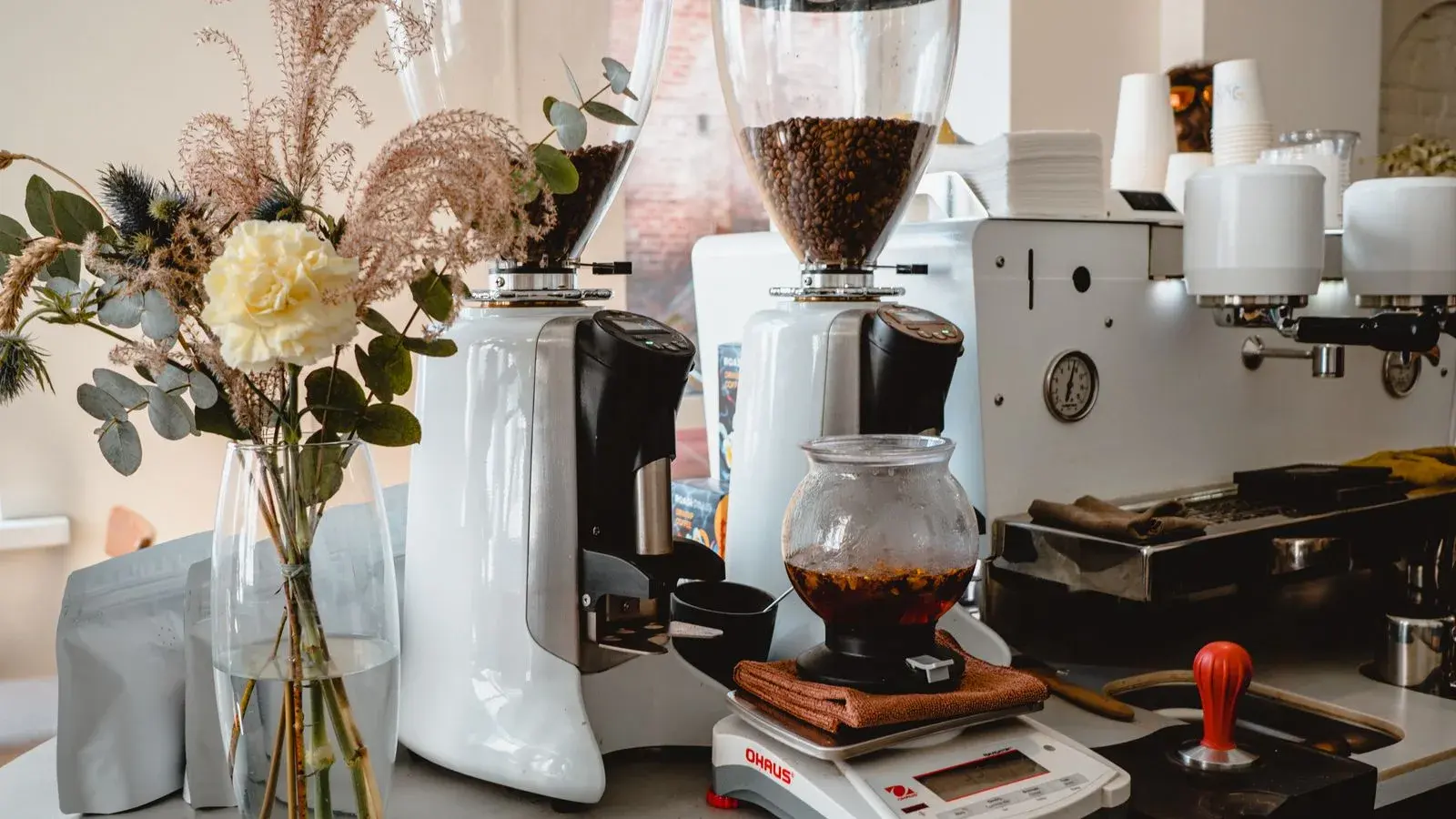
We have not owned, physically tested, brewed with, tasted results from or measured these machines. Our contribution is the heating-path explanation, control comparison and proposed demonstration worksheet. Actual temperatures, warm-up, recovery, noise, durability and delivered prices remain unverified. The café photograph shows equipment rather than either identified model.
What the evidence labels mean
- Source checked
- A cited source stated this fact when Espresso Receipt checked it. This is not a physical product test.
- Estimated
- This is calculated from stated inputs and assumptions. It is not a measured result or a current quote.
- Observed physical test
- This is a hands-on result for the exact unit under a stated test method.
- We could not confirm this
- The available sources do not establish one reliable answer.