
THE DECISION
Which one fits your routine?
Barista Pro BES878
You want to control milk steaming by hand.
Main limit: You position the jug and stop steam yourself.
Barista Touch BES880
You want automatic milk temperature stopping and saved drink settings.
Main limit: You still prepare the basket, place the jug correctly and clean the wand.
Choose the Barista Pro if you want to control milk steaming by hand. Choose the Barista Touch if you want automatic milk temperature stopping and saved drink settings.
With either machine, you grind, tamp, lock in the coffee basket and clean up. The Touch automates milk temperature stopping when you use automatic mode. If you mostly drink straight espresso, decide whether the touchscreen settings help enough to justify your actual price difference.
We did not physically test, own, taste-test, or measure these machines. These recommendations use Breville's published controls and the steps they require.
Match the exact machines
Compare the Barista Pro BES878 with the Barista Touch BES880. The Barista Touch Impress BES881 is a separate model. Assisted tamping from an Impress machine does not apply to this pair.
Breville's U.S. product pages were checked on October 12, 2026. The Barista Pro page describes manual milk steaming. The Barista Touch page describes automatic milk texturing, a manual option and saved coffees. Current pages can differ from older units. Match the model label, included booklet and controls on the unit you are offered.
The maker now links the BES878 Q26 and BES880 AB26 U.S. manuals. Their operating steps support the comparison below. Do not use an older review's grinder details to identify the unit in a shop.
Choose the steps you want
Choose the milk routine you want to repeat. A portafilter is the handled basket holder that locks into the machine. Tamping means pressing the ground coffee into that basket.
The table compares Breville's Pro instruction book and Touch instruction book. It describes controls, with no measured taste or speed winner.
| Daily task | Barista Pro BES878 | Barista Touch BES880 |
|---|---|---|
| Choose a drink | Use the LCD, buttons and dials | Select a drink on the touchscreen and adjust its settings |
| Prepare the basket | Grind, distribute, tamp and insert the portafilter | Grind, distribute, tamp and insert the portafilter |
| Texture milk | Hold and position the jug; stop steam with the dial | In automatic mode, place the jug on the sensor; steaming stops at the selected temperature |
| Stop milk steaming | Return the STEAM dial to vertical | Touch Milk to stop; automatic temperature stopping is disabled in manual mode |
| Clear milk from the wand | Wipe, then purge over the drip tray with the dial | Wipe, then lower the wand for automatic purging |
The Touch suits someone who wants to repeat a milk setting. The Pro suits someone who wants to learn jug position and stopping by hand. Automatic stopping still needs correct setup and supervision. Both routines leave a wand to wipe.
For straight espresso, automatic milk has little use. Choose by the controls you prefer and the delivered total. A touchscreen alone does not establish a better shot.
Keep the milk routine safe
Hot steam and hot surfaces can burn you. Use the supplied stainless steel milk jug. Keep hands clear of the wand tip and purging steam. Both manuals warn that pressure can remain after power off. Do not remove a portafilter during extraction or open the machine for repair.
For the Pro, follow the Q26 manual's milk routine:
- Put fresh cold milk between the supplied jug's MIN and MAX lines.
- Point the wand over the drip tray. Turn the STEAM dial to steam for a brief purge, then return it to vertical.
- Position the wand in the milk. Turn the STEAM dial to steam again and control the jug position as the manual shows.
- At the desired temperature, return the dial to vertical before taking the wand out of the jug.
- Wipe with a clean damp cloth. Point the wand over the tray, turn the dial to steam to purge, then return it to vertical.
For automatic Touch steaming, follow the AB26 manual's routine:
- Use fresh cold milk and fill the supplied jug below its spout. The milk must cover the ring around the wand tip.
- Briefly purge over the tray with Milk, then touch Milk again to stop steam.
- Put the wand in the jug and lower it fully. Rest the jug on the drip-tray temperature sensor.
- Check the screen's jug-position indicator and choose the milk settings. Touch Milk to start; it stops at the chosen temperature.
- Lift the wand to remove the jug. Wipe the wand and tip, then lower it for automatic purging. Keep clear as it purges.
In Touch manual mode, lift the wand and use Milk to start and stop steaming yourself. Automatic temperature stopping is disabled. Stop steam before removing the wand from the milk. Follow the supplied manual if the controls differ from these books.
Try one milk setting at a time
Keep your espresso recipe, milk type and milk amount the same for two drinks. On a Touch, change only the milk texture setting for the second drink. Leave the temperature setting fixed. Taste after each drink has cooled enough to drink safely.
Write down whether you prefer the second drink's foam. Keep the setting you prefer; stop there if it suits your drink. This is a suggested reader trial. We have not performed it.
On a Pro, start with its manual's milk method and practice that method first. If you want guidance for the coffee itself, use the weighed espresso routine. Changing the coffee and milk together makes the result harder to explain.
Count the delivered price and space
Compare offers for the exact models, finish, condition and included items on the same day. Add tax, shipping and anything your routine still needs, such as a scale. Do not assume the Touch always costs more: discounts can change the order. A checked price is not your final total.
This hypothetical comparison spreads a purchase-price difference over an assumed number of milk drinks. The inputs are invented; they are not current offers or a measured saving.
Use your actual delivered offers and your own expected drink count for this comparison. The calculation puts a price on convenience. It does not predict either machine's lifespan or include running costs.
Measure the space to fill the tank, open the hopper, swing the wand and remove the tray. A body-size figure alone cannot confirm that you can use the machine under your cabinet. If you want a separate machine and grinder instead, compare the beginner setup choices.
Finish the cleanup on your model
Follow the manual's after-use wand wipe and purge while the machine is operating. Then press POWER off, unplug and let the machine cool before general cleaning or removing parts. Keep cleaning coffee oils separate from descaling mineral deposits. Use the exact manual's agent and cycle for each job.
If a control, leak or damaged cord makes operation uncertain, stop using the machine and contact Breville support. Do not use a shopping comparison as a repair procedure. Choose the milk controls you want, confirm the exact offer, and keep the matching manual nearby.
Keep the espresso fixed while comparing milk settings.
Set a weighed espresso recipe
About Mara Ellis
Warm, practical, and lightly witty, Mara turns coffee jargon into clear choices for your counter, budget, and next shot.
Read the profile and guides by Mara Ellis →Sources (4)
- BES878 Q26 U.S. instruction bookBreville · Checked October 12, 2026(opens in a new tab)
- BES880 AB26 U.S. instruction bookBreville · Checked October 12, 2026(opens in a new tab)
- Barista Pro BES878 U.S. product pageBreville · Checked October 12, 2026(opens in a new tab)
- Barista Touch BES880 U.S. product pageBreville · Checked October 12, 2026(opens in a new tab)
See an old price or conflicting detail? Send a correction.
How we researched this
- Method
- We read the current U.S. manufacturer pages and manuals, then compared milk setup, stopping and cleanup.
- What we added
- Stop and purge steps tied to the milk choice, plus a hypothetical price-per-drink comparison and controlled milk trial.
- Limits
- No physical testing, ownership, taste tests or performance measurements. Delivered prices, exact cabinet fit and reliability unverified.
We compared Breville's current U.S. product pages with its linked BES878 Q26 and BES880 AB26 instruction books on October 12, 2026. We checked basket preparation, milk controls, stopping and after-use care. The comparison covers these two models and keeps the Touch Impress separate.
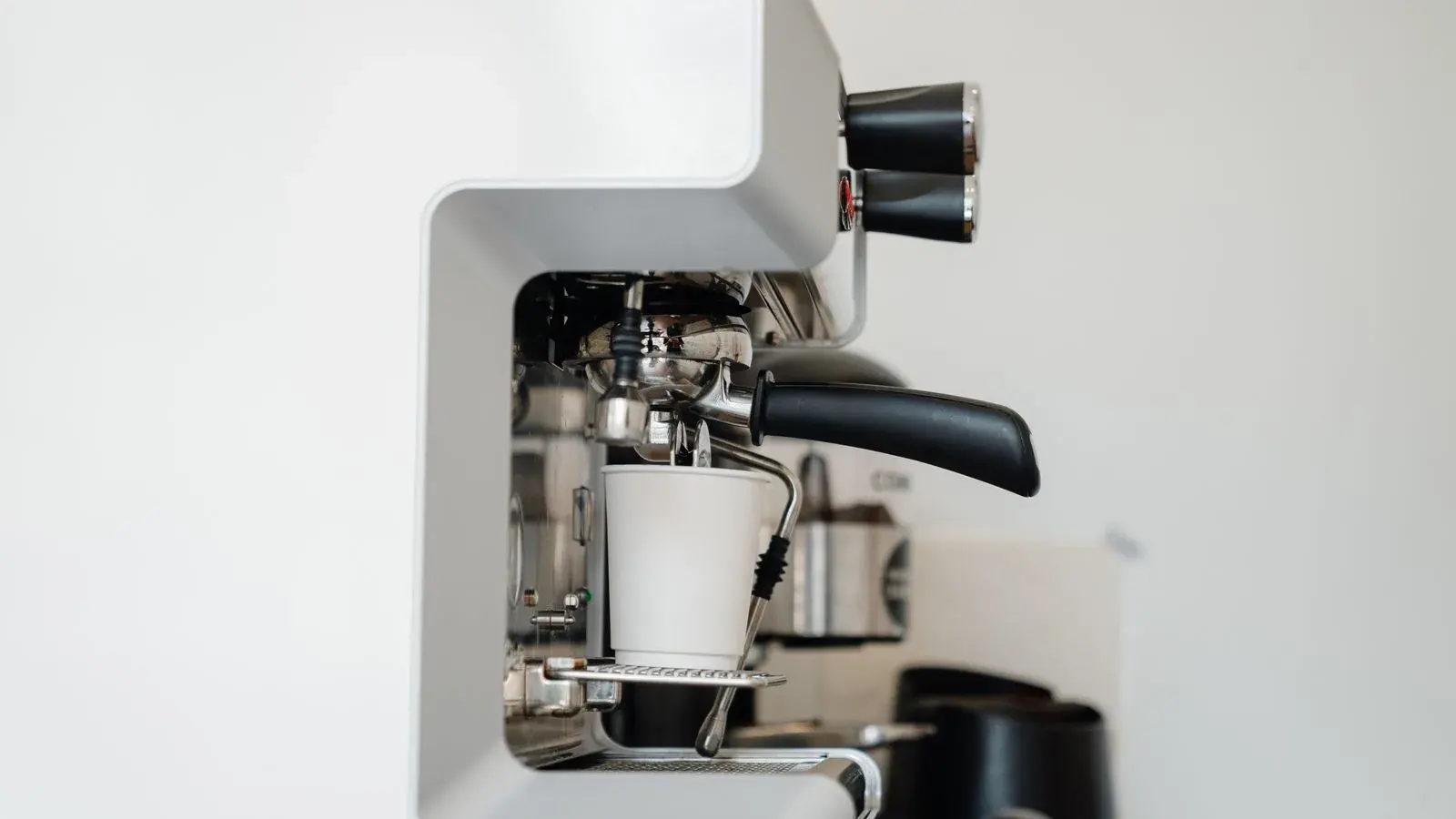
We did not perform physical testing, ownership checks, taste tests, or performance measurements. We did not verify delivered prices, exact cabinet fit or long-term reliability. The photo shows a general espresso scene and does not identify either compared machine. The milk trial and price arithmetic are suggestions and hypothetical inputs.
What the evidence labels mean
- Source checked
- A cited source stated this fact when Espresso Receipt checked it. This is not a physical product test.
- Estimated
- This is calculated from stated inputs and assumptions. It is not a measured result or a current quote.
- Observed physical test
- This is a hands-on result for the exact unit under a stated test method.
- We could not confirm this
- The available sources do not establish one reliable answer.